
"sun-dried bourbon"
700 article(s) found

Brazilian coffee has a unique, mild flavor, low acidity and moderate alcohol.
Brazilian coffee generally refers to coffee produced in Brazil. There is a wide variety of Brazilian coffee, the vast majority of which are unwashed and sun-dried, classified according to the name of the state of origin and the port of transport. Brazil has 21 states and 17 states produce coffee, but four of them produce the largest, accounting for 98% of the country's total output. Brazilian coffee has a low sour taste, which goes well with coffee.

Brazilian sun-baked yellow bourbon flavor and taste introduction
Professional barista exchanges, please pay attention to coffee workshop (Weixin Official Accounts cafe_style) Brazil is figuratively compared to the giants and monarchs of the coffee world There are about 3.97 billion coffee trees, and small farmers now grow 75 percent of Brazil's coffee. Brazil has twice or even three times as many people engaged in coffee production as Colombia, and Colombia is second in the world

Description of coffee bean flavor of Ethiopian Jima variety introduction to the treatment method of manor production area
Ethiopian Jima variety coffee bean flavor description manor area treatment method the grade of sun-dried beans has never been regarded as a reference for the quality of a bean, but it is true that sun-dried beans are not as clean as water-washed beans, but they have a special sunny smell, very sunny warmth. This bean is a friend suggested that I must enter, he said that this batch, can not be missed. Raw bean

Introduction of Ethiopian Coffee beans
Ethiopian beans are easily recognizable, mostly small and pointed long beans, known as longberry, and often mixed with small oval-shaped short beans, called shortberry, which look uneven in size and appearance. The commercial bulk beans of Grade4 or Grade5 are mostly mixed with hundreds of different crystal seeds in different producing areas, so the phenomenon of uneven bean phase is the most obvious.

Introduction of Ethiopian Coffee beans Grade Analysis of Ethiopian Coffee beans
Ethiopian coffee beans are divided into five levels. The first and second stages are washed beans. Washed beans Grade1 represents 3 defective beans per 300g raw beans, and Grade2 represents 4 defective beans per 300g. Gradc1 grade water washed beans are very rare and are generally difficult to buy. At present, all the washed beans exported from Ethiopia are Grade2 grade. The quality of sun-dried beans is Grade3 and Grad in order.

They are all Arabica, so why are some coffee beans so expensive?
Professional barista communication, please pay attention to coffee workshop (Weixin Official Accounts cafe_style) For those who often buy coffee beans, they should be able to realize that there is a wide range of price differences between coffee from different producing areas. But, obviously, it is Arabica species, why can the price difference be more than 1,000 yuan? There are only two variables that affect the price of coffee beans: quantity of production: scarcity of goods.

Introduction of Costa Rican Yellow Honey Red Honey Black Honey treatment Water-washed Sun-dried Coffee Bean production area
Costa Rica Yellow Honey Red Honey Black Honey treatment Water washing Sun Coffee production area introduction to Costa Rica coffee cultivation has a long history, but in the past 10 years, even more cutting-edge dry treatment has become a trend, collectively known as the new method of honey treatment, the use of scraper to adjust the degree of scraping of the pulp, the output shows a sense of honey from light to dark (white, yellow-red-white, yellow-red-black).

Grade analysis of Ethiopian coffee beans how about Ethiopian coffee? Ethiopian coffee
Ethiopian coffee beans are divided into five levels. The first and second stages are washed beans. Washed beans Grade1 represents 3 defective beans per 300g raw beans, and Grade2 represents 4 defective beans per 300g. Gradc1 grade water washed beans are very rare and are generally difficult to buy. At present, all the washed beans exported from Ethiopia are Grade2 grade. The quality of sun-dried beans is Grade3 and Grade4 in order.

Ethiopian Coffee Manor Fine Coffee Bean Origin, Development, History and Culture
It has been estimated that there are at least 2000 varieties of Ethiopian coffee and even more than 4500 kinds of coffee. Compared with the fat posture of Bourbon SL28, the main variety next to Kenya to the south, or Tibica in Central and South America and Asia, Ethiopian beans look a little malnourished. But beans can't be judged by appearance, and Ethiopian coffee has the highest citrus flavor in the world, whether it's instant coffee or

There are several grades of Ethiopian coffee.
Ethiopian beans are easily recognizable, mostly small and pointed long beans, known as longberry, and often mixed with small oval-shaped short beans, called shortberry, which look uneven in size and appearance. The commercial bulk beans of Grade4 or Grade5 are mostly mixed with hundreds of different crystal seeds in different producing areas, so the phenomenon of uneven bean phase is the most obvious.
How to identify coffee beans in Ethiopia
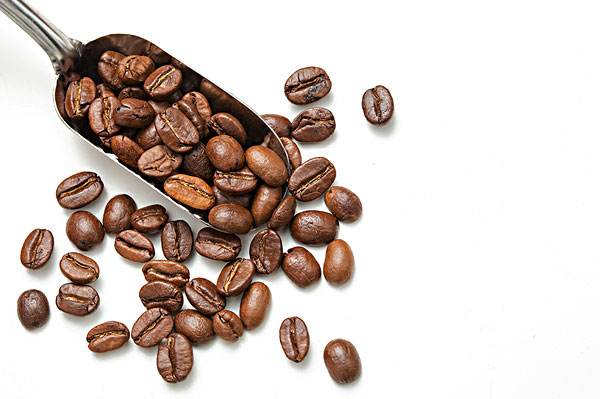
Following Cafe (official Wechat account vdailycom) found that Ethiopian beans are easy to recognize. Most of the beans are small and pointed into long beans, so-called longberry, and often mixed with small oval-shaped short beans, so-called shortberry, looking uneven in size and appearance. The commercial scale of Grade4 or Grade5

The production method of washing Yega Xuefei Ethiopian coffee beans to treat coffee beans
Ethiopian coffee beans are divided into five levels. The first and second stages are washed beans. Washed beans Grade1 represents 3 defective beans per 300g raw beans, and Grade2 represents 4 defective beans per 300g. Gradc1 grade water washed beans are very rare and are generally difficult to buy. At present, all the washed beans exported from Ethiopia are Grade2 grade. The quality of sun-dried beans is Grade3 and Grad in order.
About Ethiopia coffee beans grade analysis to understand the quality of coffee beans classification
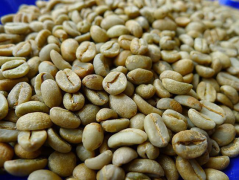
Ethiopian coffee beans are divided into five grades. The first and second stages are water-washed beans. Grade1 means 0~3 defective beans per 300 g of raw beans;Grade2 means 4~12 defective beans per 300 g. Grade 1 washed beans are extremely rare and generally difficult to buy. At present, all washed beans exported from Ethiopia are Grade2. The quality of sun-dried beans is Grade3 and Grade4 in sequence.
Grade analysis of Ethiopian coffee beans Ethiopian coffee beans are divided into five levels
Ethiopian coffee beans are divided into five levels. The first and second stages are washed beans. Washed beans Grade1 represents 3 defective beans per 300g raw beans, and Grade2 represents 4 defective beans per 300g. Gradc1 grade water washed beans are very rare and are generally difficult to buy. At present, all the washed beans exported from Ethiopia are Grade2 grade. The quality of sun-dried beans is Grade3 and Grade4 in order.

Introduction to the appearance characteristics of Ethiopian Coffee
Ethiopian beans are easily recognizable, mostly small and pointed long beans, known as longberry, and often mixed with small oval-shaped short beans, called shortberry, which look uneven in size and appearance. The commercial bulk beans of Grade4 or Grade5 are mostly mixed with hundreds of different crystal seeds in different producing areas, so the phenomenon of uneven bean phase is the most obvious.

El HIU Heart-shaped Farm Sun-baked Pacamara Flavor Introduction Cup Test Results
Professional barista exchanges, please pay attention to coffee workshop (Weixin Official Accounts cafe_style ) El Salvador HIU heart-shaped farm Pacamara sun beans El Salvador is the smallest country in Central America and the most densely populated. The main crop in most regions is coffee, but don't forget its existence because of its mini. In El Salvador, 60% of coffee is bourbon, like

Rich floral flavor of Ethiopian coffee the characteristics of the manor area introduce high-quality coffee beans
Ethiopian coffee has the highest citrus aroma in the world. Whether instant coffee or freshly ground coffee, the aroma of orange or lemon can be smelled during extraction. The nose is characterized by strong floral, fruity, sour and sweet aromas, but the alcohol is slightly thicker or less dense. The biggest disadvantage is that it is easy to bake unevenly, especially sun-dried beans. Even the best Grade3 Harald sun beans are often

Which is better, the water system or the sun-dried coffee beans? Introduction to the origin of the flavor description grinding scale manor
Which is better, the water system or the sun-dried coffee beans? The history of Yunnan small grain coffee began with the Robusta varieties brought by missionaries in the 19th century. In the 1950s, Soviet experts brought two major Arabica varieties to Baoshan, Yunnan to cultivate and popularize. After a special period, scientific research and cultivation tended to stagnate, and Baoshan iron card varieties were used in the international coffee competition after the reform and opening up.

Smooth and clear Panamanian Kasha Coffee Flavor description introduction of Fine Coffee
In addition, the Alida Manor to be introduced is also another heavyweight star manor in the Bokui specialty area. The area where it is located is about 1670 meters to 1725 meters above sea level. The main varieties of coffee planted in the farm are the improved Kaduai species, as well as a small number of bourbon species and Tibica. Although Rosa Variety was planted a few years ago, cards are used in all batches of Alida Manor's participation in the BOP competition.

Introduction to the characteristics, Analysis and quality of Ethiopian Coffee
Ethiopian beans are easily recognizable, mostly small and pointed long beans, known as longberry, and often mixed with small oval-shaped short beans, called shortberry, which look uneven in size and appearance. The commercial bulk beans of Grade4 or Grade5 are mostly mixed with hundreds of different crystal seeds in different producing areas, so the phenomenon of uneven bean phase is the most obvious.